
DEMENTIA
Understanding Dementia: Early Signs and Proven Support Strategies for Families
Recognising the early signs of dementia can make a meaningful difference to the care journey. From understanding changes in memory and behaviour to finding the right professional support, compassionate and structured care helps individuals and families navigate the challenges of dementia with greater confidence.
Dementia often begins subtly, with small changes that can easily be mistaken for normal ageing. However, recognising these changes and seeking medical guidance early can help families plan for the future and ensure their loved ones receive the support they need.
At TOTALCARE Living, we believe that dementia care should always be guided by patience, understanding, compassion and dignity.
When Small Changes Become Something More
A forgotten appointment. A familiar word that suddenly becomes difficult to remember. The same question asked several times within a short conversation.
For many families, the early signs of dementia appear gradually. Initially, these changes may seem like ordinary forgetfulness or a natural part of getting older. Over time, however, they may become more frequent and begin to affect everyday activities, communication and independence.
Many families describe noticing small changes before realising that something more significant may be happening. Recognising these signs is an important first step towards understanding dementia and finding the right support.
Dementia is not a single disease. It is a general term used to describe a group of symptoms affecting memory, thinking, reasoning, communication and the ability to manage everyday activities. Different types of dementia have different causes, symptoms and patterns of progression.
Recognising the Early Signs of Dementia
Although dementia affects every individual differently, there are several common warning signs that families should look out for. These changes may develop gradually and become more noticeable over time.
- Short-term memory loss: Frequently forgetting recent conversations, appointments or events, and repeatedly asking the same questions.
- Difficulty with familiar tasks: Struggling with everyday activities that were previously easy, such as preparing meals, managing finances or following familiar instructions.
- Confusion about time or place: Losing track of dates, seasons or locations, or becoming disorientated in familiar surroundings.
- Problems finding words: Struggling to follow conversations, remember familiar names or express thoughts clearly.
- Misplacing belongings: Putting everyday items in unusual places and finding it difficult to retrace steps to locate them.
- Changes in mood or personality: Becoming unusually anxious, withdrawn, irritable, suspicious or confused.
- Reduced social engagement: Losing interest in hobbies, conversations or activities that were previously enjoyed.
Experiencing one or more of these symptoms does not automatically mean someone has dementia. Memory and cognitive changes can also be associated with medication side effects, depression, sleep problems, infections and other medical conditions.
If you notice persistent or concerning changes, arrange an assessment with a healthcare professional. Sudden confusion, in particular, requires prompt medical attention.
Why Early Dementia Diagnosis Matters
Seeking medical advice when the first signs of dementia appear can make an important difference to the individual and their family.
Although there is currently no cure for most forms of dementia, an early and accurate diagnosis can help identify the type of dementia, rule out other possible causes and establish an appropriate care and treatment plan.
An early diagnosis also gives families more time to:
- Understand the condition and what to expect.
- Explore available medical treatments and support services.
- Discuss future living arrangements and care preferences.
- Make important financial, legal and personal decisions.
- Establish routines that support independence and wellbeing.
- Access professional guidance and emotional support.
At TOTALCARE Living, we recognise that every dementia journey is different. Understanding the individual's needs, abilities and personal history is essential when planning appropriate care and support.

Practical Dementia Care Strategies for Families
Caring for someone living with dementia requires patience, consistency and an understanding of how memory loss and cognitive changes can affect everyday life.
While there is no single approach that works for everyone, certain strategies can help create a more comfortable and reassuring environment.
- Establish familiar daily routines: Consistent mealtimes, activities and sleeping patterns can provide reassurance and reduce unnecessary confusion. Familiar routines help create a sense of security.
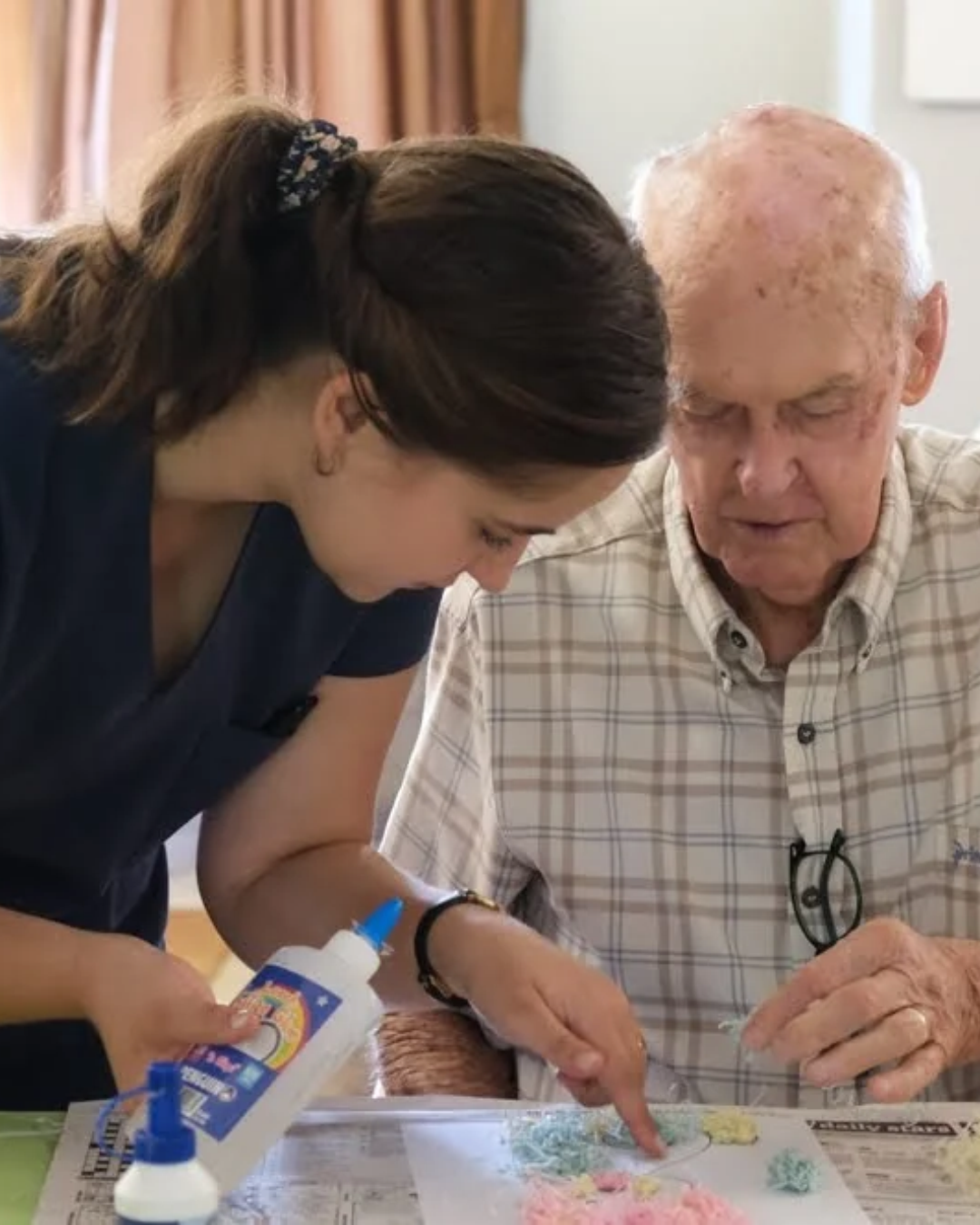
- Encourage meaningful activities: Music, gardening, puzzles, gentle exercise and familiar hobbies can provide enjoyment, stimulation and opportunities for social connection. Activities should be adapted to the individual's abilities and interests.
- Communicate with patience: Speak calmly, maintain eye contact and use simple, reassuring sentences. Allow enough time for the person to understand and respond. Avoid correcting or arguing over forgotten details.
- Create a safe environment: Reduce household hazards, ensure adequate lighting, keep frequently used belongings in familiar places and consider appropriate safety measures to support mobility and independence.
- Support nutrition and hydration: Offer balanced meals, regular snacks and sufficient fluids. Familiar foods and a calm dining environment may help encourage healthy eating habits.
- Maintain social connections: Encourage interaction with family members, friends and other residents. Meaningful companionship can help reduce isolation and support emotional wellbeing.
- Seek professional guidance: Healthcare professionals can help families understand changing needs, manage symptoms and establish appropriate care strategies.
When Is Professional Dementia Care Necessary?
As dementia progresses, a person's care requirements may change. Activities that were once manageable may become increasingly difficult, and family members may find themselves taking on greater responsibility for everyday support.
There may come a time when professional dementia care is the safest and most appropriate option.
Families should consider additional support when their loved one:
- Requires increasing assistance with personal care and daily activities.
- Frequently becomes confused or disorientated.
- Has difficulty managing medication or following treatment routines.
- Experiences changes in behaviour that require specialised attention.
- Needs additional supervision to remain safe.
- Experiences difficulty maintaining adequate nutrition and hydration.
- Requires more care than family members can comfortably or safely provide at home.
Professional dementia care offers more than assistance with everyday tasks. It provides a structured environment, trained caregivers, appropriate supervision and ongoing support tailored to the individual's needs.
It can also offer families valuable reassurance, knowing that their loved one is receiving consistent attention and compassionate care.
TOTALCARE Living's Approach to Dementia Care
At TOTALCARE Living, we understand that caring for someone living with dementia requires specialised knowledge, patience and genuine compassion.
Our approach focuses on the individual rather than the condition. We aim to create supportive environments where residents feel safe, valued and respected, while receiving care that reflects their personal needs and abilities.
Our dementia care approach focuses on:
- Personalised care plans: Care is guided by an assessment of each resident's individual needs, abilities and level of support required.
- Professional nursing support: Skilled nursing teams provide appropriate health monitoring, medication support and assistance with changing care requirements.
- Structured daily routines: Familiar activities and consistent routines help create a reassuring environment.
- Meaningful engagement: Activities are designed to encourage participation, social interaction and mental stimulation according to individual abilities.
- Compassionate care teams: Our caregivers understand the importance of patience, reassurance and respectful communication when supporting someone with dementia.
- Family involvement: We recognise the importance of keeping families informed and involved in their loved one's care journey.
Our Ikaria Dementia Village is dedicated to supporting people living with dementia in an environment designed around their specific care needs.
To discover more about the different levels of care and living arrangements available, visit our TOTALCARE Living website and explore our Living Options Explained page.
Supporting Families Through the Dementia Journey
Dementia affects more than the individual diagnosed. It also affects spouses, children, relatives and friends who may find themselves navigating unfamiliar emotional and practical challenges.
Watching a loved one experience changes in memory, communication and personality can be difficult. Family members may experience feelings of uncertainty, sadness, frustration and exhaustion as their caring responsibilities increase.
It is important to remember that families do not have to manage everything alone.
Practical ways to support yourself and your family include:
- Learning as much as possible about the type of dementia involved.
- Keeping open communication between family members and healthcare professionals.
- Sharing caregiving responsibilities where possible.
- Making time for rest and personal wellbeing.
- Considering respite care when additional support is needed.
- Seeking guidance from dementia support organisations and healthcare professionals.
Asking for professional help is not a sign of giving up. It is an important step towards ensuring that both the person living with dementia and their family receive the support they deserve.
Compassionate Dementia Care Makes a Difference
A dementia diagnosis changes many aspects of life, but it does not take away a person's need for connection, affection, respect and meaningful experiences.
With the right support, familiar routines and compassionate care, individuals living with dementia can continue to experience moments of comfort, enjoyment and belonging.
At TOTALCARE Living, we believe that every person deserves to be treated with dignity and kindness, regardless of their diagnosis or level of care required.
Our commitment is to support residents and their families through every stage of the care journey, providing professional assistance in an environment where people matter.
Because dementia may change the way someone experiences the world, but it should never change the way we care for them.
To find out more about dementia care and the living options available at TOTALCARE Living, contact our team for personal assistance.