

HEALTHY AGING
Managing Chronic Conditions in Seniors: How to Provide Care with Dignity and Grace
Living with a chronic condition such as diabetes, heart disease or arthritis can present daily challenges for older adults and their families. However, with the right support, seniors can continue to enjoy meaningful lives filled with comfort, independence and dignity.
Managing long-term health conditions requires more than medical attention. It calls for understanding, patience and a compassionate approach that places the individual at the centre of every care decision.
At TOTALCARE Living, we believe that thoughtful routines and personalised care help seniors manage chronic conditions while maintaining confidence, independence and quality of life.
Why Dignity Matters in Chronic Care
A chronic health diagnosis should never define a person or determine how they experience life. Older adults living with long-term medical conditions deserve to be treated with respect, compassion and consideration at every stage of their care journey.
Maintaining dignity means allowing seniors to remain involved in decisions about their health, daily routines and personal preferences wherever possible. It also means recognising their abilities rather than focusing only on their limitations.
When care is delivered with empathy and respect, it helps build trust, preserve self-confidence and encourage a greater sense of independence. These elements are essential to supporting emotional wellbeing and a positive quality of life.
Common Chronic Conditions in Seniors
As people age, they may become more susceptible to certain long-term health conditions. While these conditions often require ongoing monitoring and treatment, appropriate care and lifestyle adjustments can help seniors manage their symptoms and maintain their wellbeing.
1. Diabetes
Diabetes requires careful management of blood glucose levels through appropriate medication, balanced nutrition and regular physical activity. Consistent monitoring and personalised meal planning can help reduce the risk of complications.
2. Heart Disease
Heart disease may require ongoing medication, regular medical assessments and lifestyle adjustments. A heart-healthy diet, suitable exercise and monitoring of symptoms can all contribute to better cardiovascular health.
3. Arthritis
Arthritis can cause joint pain, stiffness and reduced mobility, making everyday activities more challenging. Gentle movement, physiotherapy, appropriate pain management and supportive care can help maintain mobility and independence.
4. Respiratory Conditions
Respiratory conditions such as chronic obstructive pulmonary disease (COPD) can affect breathing and physical endurance. Medication, appropriate breathing techniques and carefully supervised activity can help seniors manage their symptoms.
5. Hypertension (High Blood Pressure)
High blood pressure often requires regular monitoring, medication and lifestyle adjustments. A balanced diet, appropriate physical activity and stress management can support better blood pressure control.
Every individual experiences chronic illness differently. Understanding their specific needs and working closely with healthcare professionals helps ensure that care remains appropriate, safe and personalised.
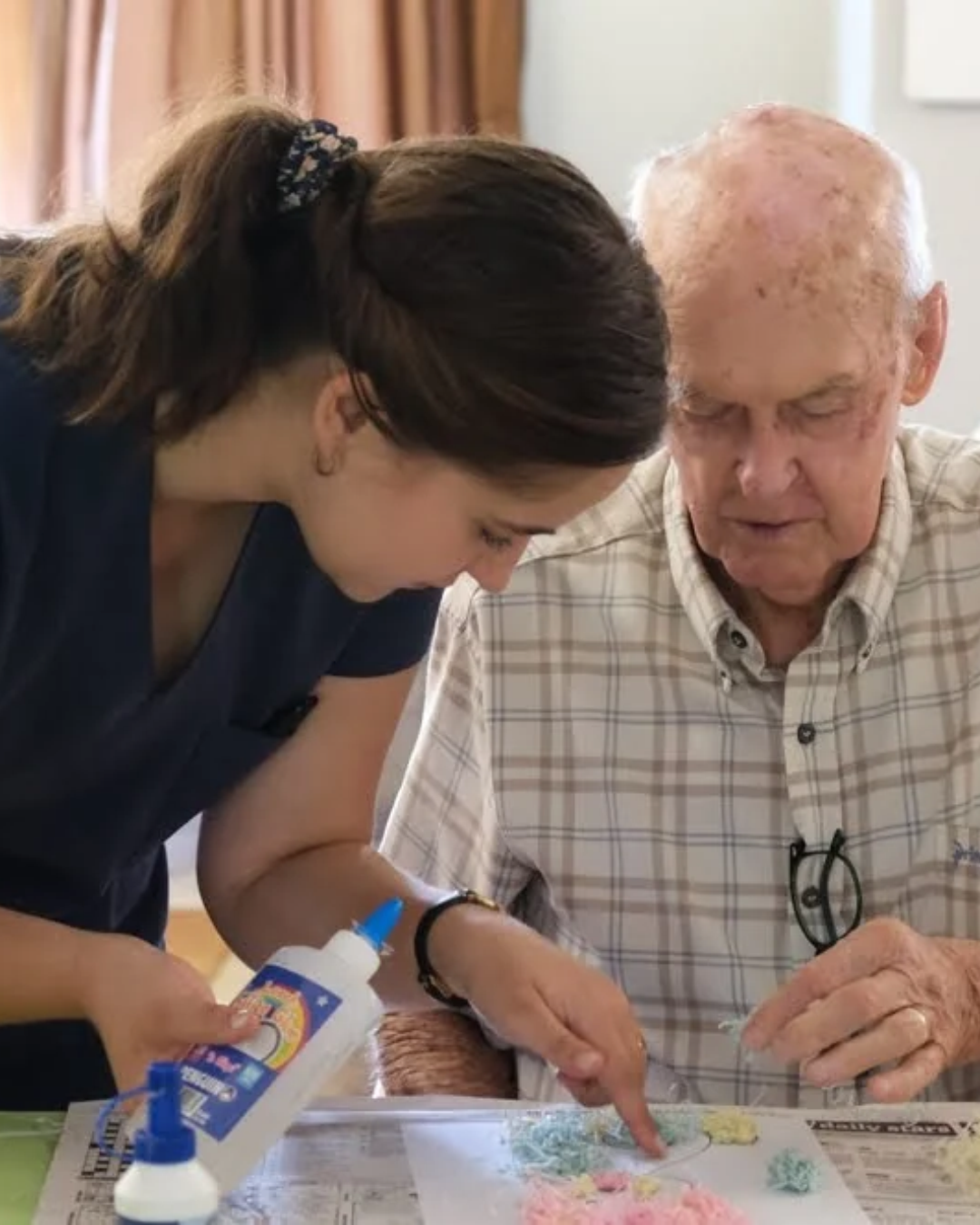
Practical Strategies for Managing Chronic Conditions in Seniors
Effective chronic care involves creating manageable daily routines that support physical health, emotional wellbeing and independence. Small, consistent steps can make a meaningful difference to an older person's quality of life.
- Encourage healthy, balanced meals: Provide nutritious meals that take individual health requirements into account, including dietary considerations for diabetes, heart disease and other chronic conditions.
- Promote gentle physical activity: Encourage suitable movement and exercise, such as walking, stretching or supervised physical therapy, according to each person's abilities and medical advice.
- Maintain medication routines: Help seniors follow prescribed medication schedules through clear reminders, organised medication systems and appropriate supervision.
- Monitor health indicators: Keep track of relevant measurements, such as blood pressure and blood glucose levels, as recommended by healthcare professionals.
- Support emotional wellbeing: Encourage meaningful social interaction, hobbies and activities that help reduce feelings of isolation and promote a sense of belonging.
- Attend regular medical appointments: Consistent communication with doctors and healthcare professionals allows changes in health to be identified and addressed promptly.
When Does a Senior Need Professional Care?
Managing a chronic condition at home can become increasingly challenging, particularly when several health conditions are present or additional assistance is needed with everyday activities.
Families may need to consider professional elderly care services when a loved one:
- Struggles to manage medication independently.
- Requires regular nursing attention or health monitoring.
- Experiences frequent complications or changes in their condition.
- Needs assistance with personal care and activities of daily living.
- Has difficulty maintaining a healthy diet or following recommended routines.
- Would benefit from additional supervision, companionship and support.
Professional care can provide families with reassurance while ensuring that seniors receive the attention and assistance they need. A personalised care plan, developed following an assessment of individual needs, helps ensure that the appropriate level of support is provided.
At TOTALCARE Living, our healthcare services are designed to support residents with varying care requirements through personalised care plans, skilled nursing and compassionate daily assistance.
Discover TOTALCARE Living's healthcare services and learn more about our approach to quality elderly care.
TOTALCARE Living's Approach to Chronic Care
At TOTALCARE Living, caring for someone with a chronic condition is about much more than managing symptoms. It is about recognising the individual behind the diagnosis and supporting their physical, emotional and social wellbeing.
Our approach combines professional healthcare with personalised attention, ensuring that residents receive support suited to their individual circumstances and changing needs.
Depending on the resident's care requirements, this may include:
- Personalised care plans: Care is tailored to the resident's individual needs following a professional assessment.
- Professional nursing support: Ongoing nursing care and assistance with prescribed medication and health monitoring.
- Nutrition and dietary guidance: Dietician input and appropriate meal planning to support individual nutritional requirements.
- Physical wellbeing: Suitable physical activities and professional support to help maintain strength, mobility and independence.
- Emotional and social support: Activities, companionship and opportunities for meaningful interaction within a caring community.
Our multidisciplinary approach brings together healthcare professionals and dedicated care teams to support residents as their needs evolve.
Living Well with a Chronic Condition
Growing older while managing a chronic condition does not mean giving up independence, enjoyment or meaningful experiences. With the right healthcare support, appropriate routines and a compassionate environment, seniors can continue to live fulfilling lives.
At TOTALCARE Living, we believe that every resident deserves to feel valued, respected and cared for. Our commitment is to provide professional care with dignity, ensuring that every individual receives the support they need to enjoy the best possible quality of life.
Because quality care is not only about adding years to life. It is about adding life to every year.
To find out more about TOTALCARE Living and our care options, visit www.totalcaresa.co.za.