

ASSISTED LIVING
Do You Want to Know More About Assisted Living?
Growing older does not mean giving up your independence. However, there may come a time when a little extra help with everyday activities can make life easier, safer and more enjoyable.
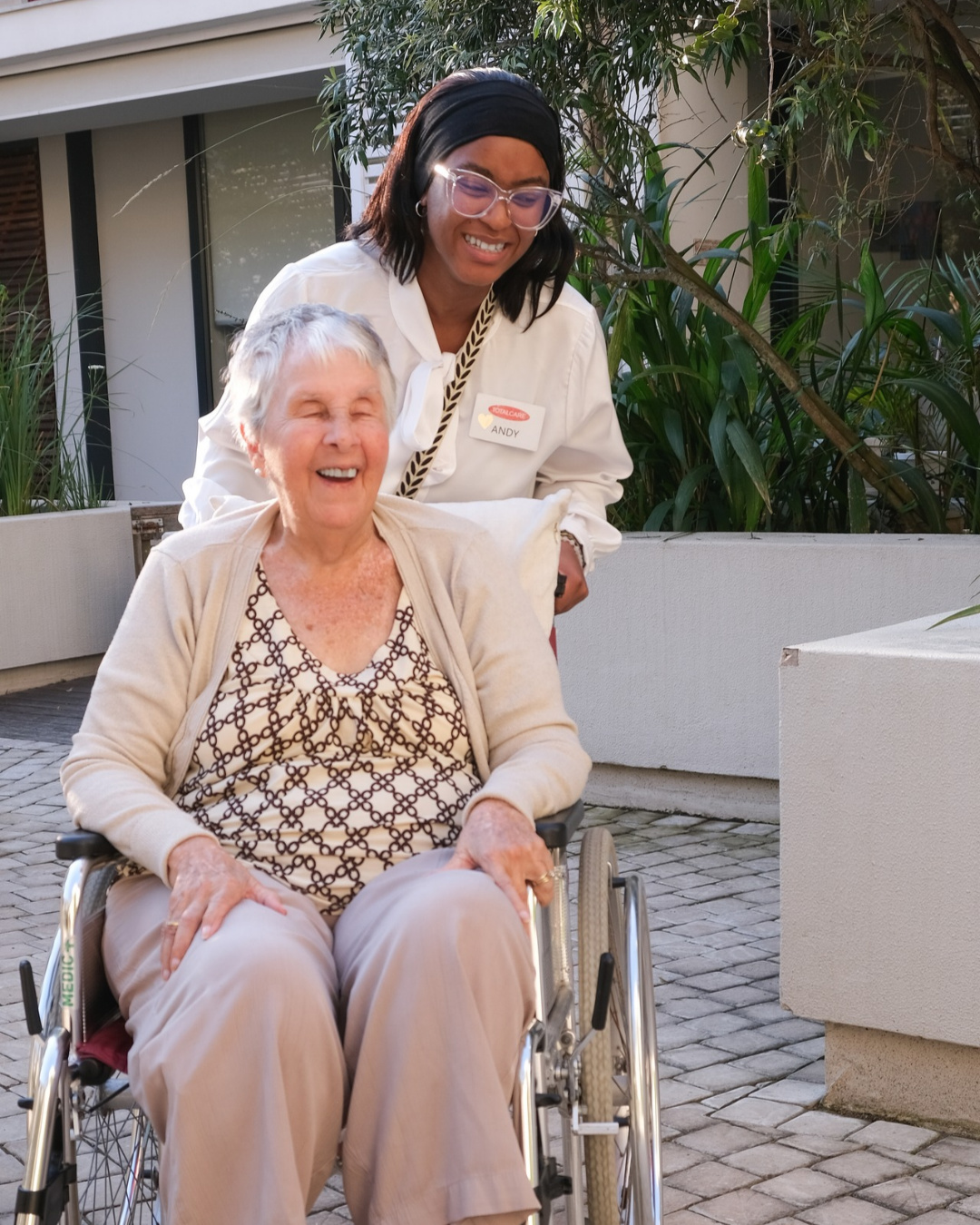
Assisted living provides the ideal balance between independent living and personalised care. It offers practical daily support, a comfortable lifestyle and the reassurance that professional assistance is available when needed.
At TOTALCARE Living, we believe assisted living should feel like a natural progression, not a compromise. Our communities combine independence, comfort and compassionate care, allowing residents to enjoy life with confidence and peace of mind.
What Is Assisted Living?
Assisted living is a senior living option designed for older adults who are still largely independent but need some additional help with everyday activities. It provides a supportive living environment where residents can maintain their routines and enjoy their independence while having access to assistance when required.
Unlike fully independent retirement living, assisted living includes varying levels of personal support, depending on each resident's individual needs. This may include help with bathing, dressing, medication routines, meals and other daily activities.
At TOTALCARE Living, assisted living offers more than just practical assistance. It provides an opportunity to enjoy a welcoming community, meaningful social connections and a lifestyle where professional support is always nearby, without taking away personal freedom.
What Services and Support Are Included in Assisted Living?
Assisted living services are designed to make everyday life more manageable while helping seniors maintain their dignity, comfort and independence.
Depending on the facility, accommodation option and individual care assessment, assisted living support at TOTALCARE Living may include:
- Personal care assistance: Help with bathing, dressing, grooming and other activities of daily living, according to individual requirements.
- Medication support: Assistance with medication routines and appropriate health monitoring.
- Nutritious daily meals: Freshly prepared meals and snacks to support healthy eating and individual dietary requirements.
- Housekeeping and laundry: Assistance with everyday household responsibilities, allowing residents more time to enjoy their lifestyle.
- Maintenance support: Help with general accommodation and maintenance requirements.
- Transport assistance: Transport arrangements for appointments, shopping and selected activities, depending on the facility.
- Access to professional care: Reassurance that trained care staff and appropriate healthcare support are available when needed.
The level of assistance provided depends on the resident's individual needs and the services available at the chosen community. A professional assessment helps determine the most suitable care arrangement.

Who Should Consider Assisted Living?
Assisted living may be an excellent option for seniors who value their independence but would benefit from additional support, a more manageable daily routine and the security of living in a caring community.
It may be the right choice for you or someone you love if you:
- Are still relatively independent but need assistance with certain daily activities.
- Would prefer not to manage an entire household independently.
- Feel isolated or would enjoy more opportunities for social interaction.
- Would benefit from regular meals and a structured daily routine.
- Want a safer and more supportive living environment.
- Would appreciate having professional care and assistance close by.
- Want to enjoy retirement without the everyday responsibilities of maintaining a home.
Choosing assisted living is not about losing independence. It is about making everyday life easier and creating more opportunities to enjoy the things that matter most.
Assisted Living vs Health Care (Frail Care): What Is the Difference?
Understanding the difference between assisted living and frail care, commonly referred to as frail care, is important when choosing the right retirement living arrangement.
Although both options provide support, they are designed for different levels of care and assistance.
Assisted Living
Assisted living is generally suitable for seniors who can manage many aspects of their daily lives but need some additional help. Residents enjoy a greater level of independence while receiving assistance with personal care, medication routines and everyday activities where necessary.
Frail Care
Frail care is intended for individuals who require a higher level of ongoing assistance and nursing support. This may include residents with complex medical needs, limited mobility or conditions that make independent daily living difficult.
The appropriate level of care should always be determined through an individual assessment. As health and care requirements change, the support provided may also need to change.
Why Choose TOTALCARE Living for Assisted Living?
At TOTALCARE Living, we believe retirement should be about enjoying life, maintaining meaningful connections and having the freedom to spend time on the things you love.
Our assisted living communities form part of a broader lifestyle and care offering, bringing together comfortable accommodation, hospitality, wellness and professional support within one welcoming environment.
Residents can enjoy:
- Comfortable accommodation: Beautifully appointed living spaces designed to support comfort, convenience and everyday independence.
- Nutritious meals: Freshly prepared meals and snacks that take residents' nutritional needs into consideration.
- Social activities: Opportunities to participate in activities, hobbies and community events.
- Professional support: Access to care teams who understand the importance of individual attention and compassionate assistance.
- Peace of mind: The reassurance that additional care can be arranged as residents' needs change.
- A sense of belonging: A welcoming community where friendships, companionship and meaningful connections can flourish.
One of the important advantages of choosing a TOTALCARE Living community is the opportunity to access different levels of care as individual needs evolve. Where the selected facility offers the appropriate services, residents may transition from assisted living to higher levels of health care without necessarily leaving their familiar community.
This continuity provides reassurance for residents and their families, helping make the journey through different stages of ageing more comfortable and less disruptive.
Independent Living with Support When You Need It
Growing older should not mean giving up the freedom to make your own choices or enjoy your favourite activities. Assisted living provides a practical way to maintain independence while receiving the support that makes everyday life easier.
Whether you need occasional assistance or more regular personal care, choosing the right living environment can make a meaningful difference to your comfort, confidence and overall wellbeing.
At TOTALCARE Living, we are committed to providing professional care in a warm, respectful and welcoming environment, where every resident is valued as an individual.
Here when you need us. Supporting you to live life your way.
Let TOTALCARE Living Help You Find the Right Support
Choosing the right retirement living or assisted care option is an important decision. Our team can help you understand the different living arrangements available and guide you towards a solution that suits your needs, preferences and lifestyle.
Whether you are exploring assisted living for yourself or looking for additional support for someone you love, we are here to help you make an informed decision.
Here when you need us
Let us help you find the right support
Receive personal guidance on the living and care options available for you or someone you love.
Request personal guidanceThis article offers general information and does not replace individual medical or dietetic advice.