
Dementia
Your Insiders Guide to the Eight Different Types of Dementia.
Dementia encompasses several distinct types. The Eight Different Types of Dementia are:
1. Alzheimer's Disease:
Characterized by the presence of protein abnormalities that form "plaques" between dying brain cells and "tangles" within the cells. This leads to a progressive loss of nerve cells and connections, resulting in a shrinking of brain tissue.
2. Dementia with Lewy Bodies:
This condition involves abnormal structures in the brain known as Lewy bodies, which are linked to the protein alpha-synuclein.
3. Mixed Dementia:
This diagnosis involves the simultaneous presence of two or more types of dementia, such as Alzheimer's disease and vascular dementia.
4. Parkinson's Disease
Although primarily recognized for its movement disorders, Parkinson's disease can also cause dementia symptoms, often due to the presence of Lewy bodies.
5. Huntington's Disease
Known for specific types of uncontrolled movements, Huntington's disease also includes dementia among its symptoms.
6. Frontotemporal Dementia (Pick's Disease):
Affects the frontal and temporal lobes of the brain, leading to changes in personality and behavior.
7. Normal Pressure Hydrocephalus
Involves an accumulation of cerebrospinal fluid in the brain, causing symptoms similar to dementia.
8. Posterior Cortical Atrophy:
Resembles Alzheimer’s disease but affects a different part of the brain, leading to specific visual and spatial impairments.
Early signs of dementia may include:
• Changes in short-term memory
• Mood swings
• Difficulty finding the right words
• Apathy
• Confusion
• Repetitiveness
• Trouble following a storyline
• Difficulty with daily tasks
• Poor sense of direction
• Challenges adapting to changes
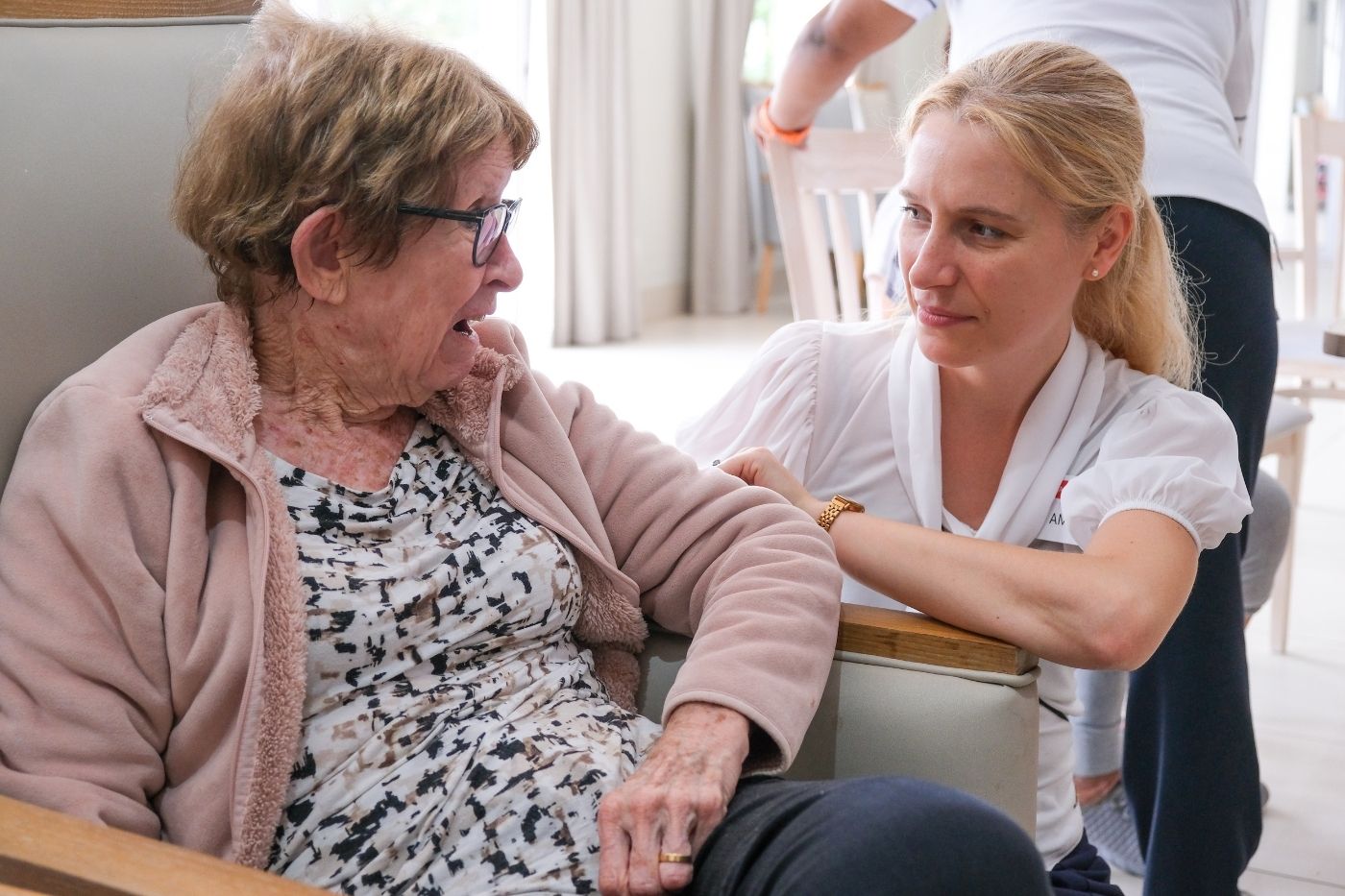
TOTALCARE can offer expert advice on the types of Dementia. TOTALCARE will walk you through the types of Dementia with understanding and knowledge. Feel free to be in touch with your questions.
Here when you need us
Let us help you find the right support
Receive personal guidance on the living and care options available for you or someone you love.
Request personal guidanceThis article offers general information and does not replace individual medical or dietetic advice.