

Assisted Living
Five Signs that your Loved One Needs Assisted Living
Recognizing when your love one needs assisted living is emotional and challenging.
However, certain signs can help guide this important decision. Explore when Your Loved One Needs Assisted Living by reading on.
If your loved one struggles with some of the mentioned Activities of Daily Living, it might be time to look for Assisted Living.
Five signs that your loved one might need Assisted Living include:
1. Getting in and out of the bath
2. Personal hygiene
3. Getting dressed like tying shoes or fastening buttons
4. Managing medications, or forgetting to take them
5. Preparing meals, or change in eating habits

You might notice bills piling up, expired food in the fridge, or a decline in housekeeping and personal grooming. These subtle shifts can point to a growing difficulty in maintaining an independent lifestyle. Memory issues, such as forgetting appointments or getting lost in familiar places, can signal early cognitive decline and the need for a safer, structured environment.
Other signs to look out that might be red flags that support is needed are;
• Frequent falls
• Forgetfulness
• Poor hygiene
• Isolation
• Changes in mood or
• Changes in personality
When you identified your loved one needs Assisted Living, you need to look for compassionate and professional support. A care community should specialize in identifying the unique needs of your loved one and creates a personalized care plan that balances independence with appropriate assistance. Whether your loved one requires minimal help or more comprehensive daily support, ensure they receive high-quality, 24-hour care in a safe and welcoming setting.
Assisted Living services such as
• medication management,
• mobility assistance,
• personal hygiene support,
• nutritious meals, and
• housekeeping
are necessary within a care community that encourages social engagement and mental stimulation. Dedicated staff members should form genuine relationships with your loved one, providing not just care but companionship.
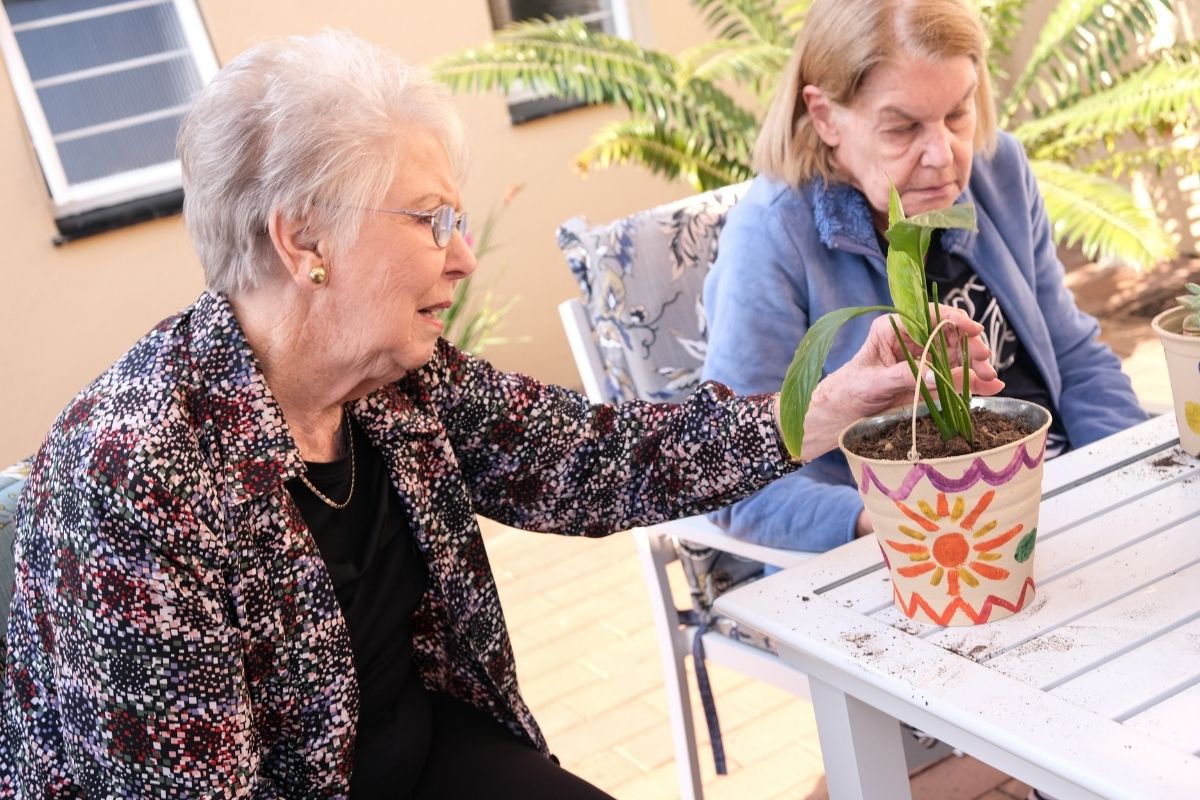
To know when to move your parent to assisted living can be daunting, but well-operated Assisted Living communities should give you peace of mind that your loved one is in caring, capable hands.
When daily life becomes overwhelming or unsafe for your loved one, Assisted Living communities should provide the stability, dignity, and comfort your loved one deserves, so they can continue to live happy, safe, and purpose filled lives.
Here when you need us
Let us help you find the right support
Receive personal guidance on the living and care options available for you or someone you love.
Request personal guidanceThis article offers general information and does not replace individual medical or dietetic advice.